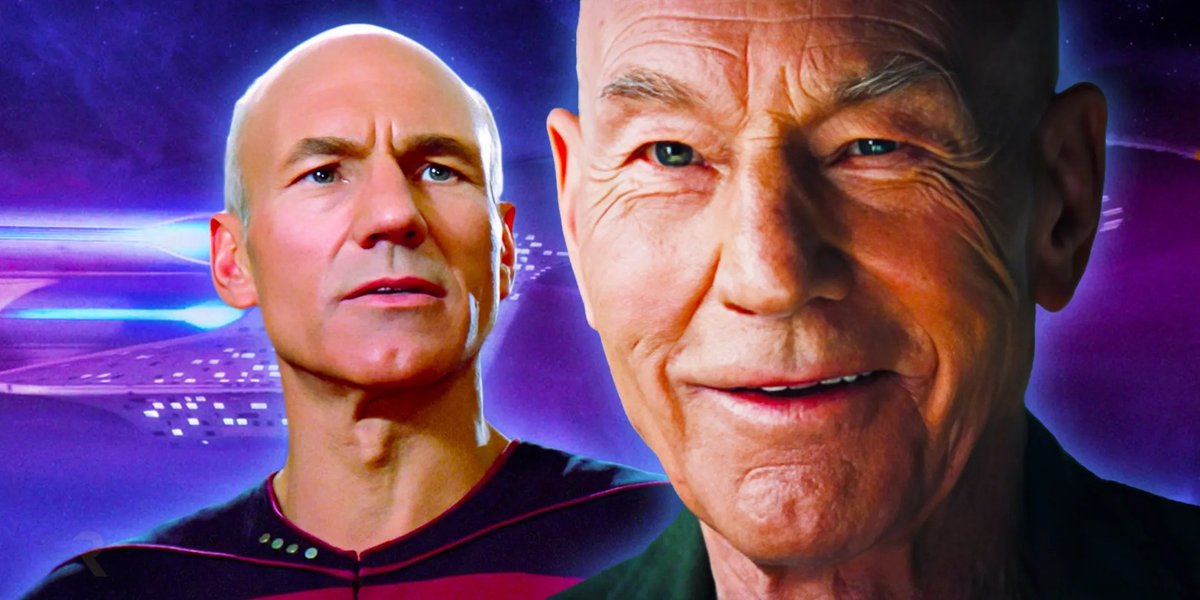
Star Trek: The Next Generation soared to new heights with its fourth season, a pivotal era that truly solidified its place in television history. Kicking off on September 24, 1990, and concluding on June 17, 1991, this 26-episode run saw the USS Enterprise-D crew navigating not just the vastness of space, but also the complexities of their own interwoven destinies. It was a season that dared to move beyond strictly episodic adventures, beginning to weave intricate storylines that rewarded dedicated viewers.
This wasn't just another season; it was a turning point. TNG Season 4 bravely embraced serialized storytelling, allowing plot threads to mature and characters to evolve in ways previously unseen. From lingering questions of Klingon honor to personal growth, the season meticulously laid groundwork that would resonate for episodes, and even seasons, to come.
The Dawn of Deep, Continuing Narratives
Season 4 truly distinguished itself by introducing and expanding upon compelling overarching storylines. No longer were most episodes entirely self-contained; instead, a rich tapestry of ongoing plots began to emerge, drawing viewers deeper into the 24th-century universe. At the forefront was the brewing Duras-Romulan conspiracy against the Federation, a threat that kept the crew — and audiences — on edge.
Simultaneously, Lieutenant Worf's struggle to reclaim his family honor, a storyline first hinted at in Season 3's "Sins of the Father," became a central emotional anchor. Episodes like "Family," "The Drumhead," "Reunion," "The Mind's Eye," and "Redemption" meticulously explored the weight of his discommendation and its far-reaching consequences. For a complete breakdown of these pivotal arcs and more, we invite you to Explore TNG Season 4s themes and that defined this transformative season.
Unpacking Character Evolution and Personal Journeys
Beyond grand galactic conspiracies, Season 4 excelled at nurturing the individual growth of its beloved characters. We witnessed significant milestones, from Captain Picard grappling with the aftermath of his Borg assimilation in the emotionally resonant "Family" to Data exploring the depths of his own humanity. These episodes weren't just about plot; they were intimate studies of the Enterprise-D's most iconic inhabitants.
Perhaps one of the most delightful and understated character arcs belonged to Chief Miles O'Brien. This season unveiled layers of his personality, revealing his first and middle name in "Family," his marriage in the charming "Data's Day," and delving into his past in "The Wounded." His evolving relationship with Keiko Ishikawa, explored further in "In Theory," provided a grounding sense of realism amidst the sci-fi spectacle. To dive deeper into these transformations and many others, you'll want to Explore TNG Season 4 character development.
Essential Episodes and Unforgettable Moments
With 26 episodes airing over nine months, Season 4 delivered a wealth of memorable moments, often centering on the profound theme of family. From Picard and Worf confronting their pasts in "Family" to Data meeting his "brother" in the aptly titled "Brothers," the season explored various forms of familial bonds. We even saw the introduction of Worf's son, Alexander, and the unexpected appearance of Tasha Yar's sister, not to mention the Enterprise's encounter with an infant alien space entity.
Each episode contributed to the season's rich narrative, from high-stakes action to thoughtful philosophical debates. If you're looking to revisit specific adventures or discover new favorites, our comprehensive guide will help you navigate every single mission. Don't miss the chance to Explore TNG Season 4 episodes and relive these defining moments.
The Faces Behind the Federation: Cast, Crew, and Guest Stars
The success of Star Trek: The Next Generation was, of course, built on the incredible talent of its core cast, who by Season 4 were fully inhabiting their iconic roles. Patrick Stewart, Jonathan Frakes, Brent Spiner, Marina Sirtis, LeVar Burton, Michael Dorn, and Gates McFadden brought a gravitas and warmth that made the Enterprise crew feel like family. This season also continued the tradition of featuring compelling guest stars who enriched the narrative, adding layers to the Star Trek universe.
Behind the cameras, a dedicated team of writers, directors, and producers ensured that the show maintained its high standards for storytelling and visual effects. The show continued its run in broadcast syndication, sometimes paired with other programming blocks like the Hollywood Premiere Network, reaching a wide audience across the US. For an insider's look at the talent both on and off-screen, you can Get the TNG Season 4 scoop on all the fascinating details.
The Enduring Impact and Critical Acclaim of a Landmark Season
Star Trek: The Next Generation Season 4 wasn't just popular; it was critically acclaimed, cementing the series' reputation as a cornerstone of science fiction television. Its willingness to delve into deeper, serialized plots and its focus on character development set a new benchmark for syndicated drama. This approach paid off, fostering a more engaged fanbase and influencing future generations of storytelling in the genre.
The legacy of this season can be seen in its lasting appeal and the critical discussions it continues to spark among fans and scholars alike. It was a season that dared to push boundaries, solidifying TNG's place in the pantheon of television greats. To understand the full scope of its impact and how it was received, be sure to check out our deep dive into the Critical Reception & Legacy of this unforgettable era.
As we look back, it's clear that Star Trek: The Next Generation Season 4 wasn't merely a collection of episodes; it was a testament to the power of thoughtful, evolving storytelling. It paved the way for more complex narratives not just within the Star Trek universe, but across the landscape of television itself, ensuring its place as a truly golden age for sci-fi.