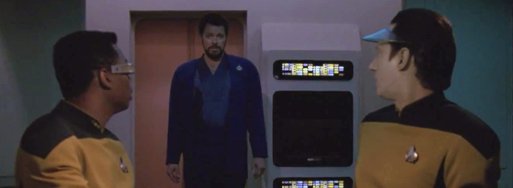
Season 4 of Star Trek: The Next Generation wasn't just another year for the USS Enterprise-D; it was a pivotal chapter that solidified its place in television history. From iconic character arcs to unforgettable alien encounters, the success of this season hinged on a meticulously crafted blend of its Star Trek TNG Season 4 core cast, a dazzling array of guest stars, and the often-unsung heroes working diligently behind the scenes. For many fans, Season 4 marked the moment TNG truly hit its stride, transcending its predecessor's shadow and forging its own legendary identity.
This deep dive pulls back the curtain on the talent that brought this extraordinary season to life, revealing not just who was on screen, but the creative forces that shaped every stellar moment.
At a Glance: TNG Season 4's Enduring Legacy
- Core Cast Mastery: The main ensemble fully embraced their roles, delivering performances that deepened beloved characters and explored complex human (and artificial) emotions.
- Guest Star Powerhouse: Season 4 introduced or solidified several crucial recurring characters, like Keiko Ishikawa and Gowron, while also featuring powerful one-off performances that anchored some of TNG's most memorable episodes.
- Behind-the-Scenes Refinement: Under the guidance of Michael Piller, the writing staff hit a new creative peak, developing a character-driven approach that became the hallmark of TNG's golden era.
- Production Excellence: Directors and crew pushed boundaries in storytelling, special effects, and set design, contributing to a season widely regarded as one of the series' best.
- Pivotal Character Arcs: Wesley Crusher’s departure, Data’s continued quest for humanity, Worf’s re-engagement with Klingon culture, and Picard’s profoundly personal journey all defined this transformative year.
The Pillars of the Enterprise: Core Cast Evolution
By its fourth season, the primary cast of Star Trek: The Next Generation had settled into an extraordinary rhythm, creating a seamless ensemble that felt like a true family, albeit one traversing the cosmos. This year offered them rich material, allowing each actor to delve deeper into their characters' psyches and expand their emotional range.
Patrick Stewart as Captain Jean-Luc Picard
Stewart's portrayal of Captain Picard reached new heights of gravitas and vulnerability in Season 4. He commanded the screen with an authority that belied a deeply thoughtful and often conflicted man. This season saw him navigate profoundly personal challenges, most notably in "Family," where he returned to his French vineyard and confronted the lingering trauma of his assimilation by the Borg, an experience explored brilliantly without a single starship battle. His performance in "The Drumhead," as a moral compass against a witch hunt, showcased his unwavering ethical core. Stewart didn't just play a captain; he embodied a leader wrestling with philosophy, duty, and his own humanity.
Jonathan Frakes as Commander William Riker
Riker continued to evolve as Picard's first officer and confidant, often acting as the moral or strategic counterpoint to the Captain's decisions. Jonathan Frakes brought a grounded, approachable quality to Riker, balancing his roguish charm with increasing maturity. In episodes like "Future Imperfect," Frakes convincingly portrayed Riker’s inner turmoil and leadership capabilities. He truly owned the center seat when Picard was away, demonstrating a growth from his earlier, sometimes reckless, persona into a seasoned commander ready for his own command.
LeVar Burton as Lieutenant Commander Geordi La Forge
Geordi La Forge, the ever-resourceful Chief Engineer, was the heart of the ship's technical prowess. LeVar Burton imbued Geordi with an earnestness and passion for engineering that was infectious. Season 4 highlighted his close friendship with Data ("The Mind's Eye") and his often-unlucky romantic pursuits ("Galaxy's Child"). Burton's consistent portrayal made Geordi a reliable and integral part of the bridge crew, showcasing the ingenuity and problem-solving skills vital to Starfleet operations.
Michael Dorn as Lieutenant Worf
Season 4 was a monumental year for Worf, pushing his character into the forefront of several key storylines. Michael Dorn delivered powerful performances as Worf grappled with his Klingon heritage, a path that led to one of TNG's most acclaimed arcs. In "Reunion," Worf confronted his family's past and participated in a crucial Klingon succession battle. His fierce loyalty, internal conflicts, and the occasional awkward attempts at human interaction provided both dramatic tension and unexpected humor. Dorn's commitment to the character solidified Worf as one of Star Trek's most iconic figures.
Gates McFadden as Doctor Beverly Crusher
Dr. Beverly Crusher, the Enterprise's Chief Medical Officer, continued to be a strong voice of compassion and medical ethics. Gates McFadden portrayed Crusher with warmth, intelligence, and a firm resolve. This season saw her dealing with personal loss in "Family" and facing terrifying medical mysteries, often standing as the logical, humanistic counterpoint to Starfleet's more rigid protocols. Her role was essential in grounding the futuristic setting with relatable human concerns for health and well-being.
Marina Sirtis as Counselor Deanna Troi
Counselor Troi's empathic abilities were a cornerstone of her character, and Marina Sirtis continued to navigate the complexities of her half-Betazoid heritage. While sometimes criticized for simply "sensing" emotions, Season 4 gave Troi more agency and opportunities to demonstrate her counseling skills, often offering crucial insights into alien psychology or crew morale. Episodes like "Half a Life" allowed Sirtis to explore Troi's emotional depth in romantic contexts beyond Riker, showing her as a compassionate and integral part of the command staff.
Brent Spiner as Lieutenant Commander Data
Data's quest for humanity remained one of TNG's most compelling long-running narratives, and Brent Spiner absolutely shone in Season 4. From playing multiple identical positronic androids in "Brothers" to attempting romance in "In Theory," Spiner's nuanced performances consistently explored the subtle distinctions between artificial intelligence and human experience. His unique blend of childlike wonder and immense intellect, often accompanied by his deadpan delivery, made Data a fan favorite and a philosophical touchstone for the series.
Wil Wheaton as Wesley Crusher
Season 4 marked a significant turning point for Wesley Crusher, as Wil Wheaton's character prepared for his departure. Wesley's journey from prodigious ensign to Starfleet Academy cadet culminated in the episode "Final Mission," where he left the Enterprise for good. Wheaton brought a sense of maturity and resolve to Wesley's decision, completing a natural arc for a character who had often been a lightning rod for audience opinion. His exit allowed the character to forge his own path, rather than perpetually remaining under his mother's or Picard's shadow.
Illuminating the Galaxy: Notable Guest Stars & Recurring Faces
Beyond the core crew, TNG Season 4 thrived on its rich tapestry of guest performances, many of whom became indelible parts of the Star Trek universe. From established stars to actors who would become franchise mainstays, their contributions were vital.
The Wise & The Familiar
- Whoopi Goldberg as Guinan: The enigmatic El-Aurian bartender of Ten Forward continued to be a source of profound wisdom and comfort for the crew, especially Picard. In Season 4, Guinan’s role solidified as more than just a sounding board; her counsel often provided crucial insights that helped Picard navigate difficult ethical or personal dilemmas, underscoring her mysterious depth and ancient knowledge. Goldberg’s presence brought an undeniable star power and gravitas to the Enterprise.
- Rosalind Chao as Keiko Ishikawa: Introduced in Season 4, Keiko quickly became a significant recurring character. As the intelligent botanist who would eventually marry Chief O'Brien, Rosalind Chao grounded the character with a practical, no-nonsense demeanor. Her presence helped expand the scope of life on the Enterprise, showing domesticity and family life amidst the adventurous missions. This season set the stage for her larger role later in the franchise.
- Colm Meaney as Chief Miles O'Brien: While he had been appearing since Season 1, Season 4 truly elevated Colm Meaney's role as Chief O'Brien. His character evolved from a generic helm officer and transporter chief into a fully fleshed-out, relatable everyman. His developing relationship with Keiko humanized the Starfleet experience, making him one of the most beloved recurring characters. Meaney's understated yet powerful performances often provided a crucial human perspective to the high-concept dilemmas.
- Patti Yasutake as Nurse Alyssa Ogawa: As a consistent presence in sickbay, Patti Yasutake’s Nurse Ogawa provided a familiar, competent face alongside Dr. Crusher. Her recurring role helped to build the sense of continuity and a working environment on the Enterprise, making the medical bay feel like a functional part of the ship.
- Majel Barrett Roddenberry as the Enterprise Computer Voice: The omnipresent voice of the Enterprise computer, Majel Barrett Roddenberry (Gene Roddenberry's wife and the original Nurse Chapel), was a fundamental part of the show's identity. Her calm, authoritative, and instantly recognizable voice provided vital exposition and background, a constant presence that was as much a part of the ship as any physical crew member.
Iconic Antagonists and Memorable Appearances
Season 4 also featured a host of guest stars who left indelible marks, often in a single episode:
- Robert O'Reilly as Gowron: Making his unforgettable debut in "Reunion," Robert O'Reilly brought the Klingon Chancellor Gowron to life with a charismatic, wild-eyed intensity. His performance immediately established Gowron as a formidable figure in Klingon politics, an unpredictable leader whose presence would loom large over the future of the Star Trek universe.
- Pamela Winslow as Ensign McKnight: Often seen on the bridge, Ensign McKnight was one of several competent junior officers who helped populate the Enterprise, giving the feeling of a vibrant, active crew.
- Mary Kohnert as Ensign Tess Allenby: Like Ensign McKnight, Ensign Allenby contributed to the background realism of the bridge, performing various duties and adding to the ensemble feel.
- Michael Ensign as Minister Krola: In "First Contact," Michael Ensign portrayed Minister Krola with a convincing mix of suspicion and intrigue as the Enterprise made contact with a pre-warp civilization. His performance helped ground the ethical dilemma central to the Prime Directive.
- Lanei Chapman as Ensign Sariel Rager: A recurring background character on the bridge, Ensign Rager was another example of the show's commitment to portraying a diverse and functional Starfleet crew.
- April Grace as Transporter Technician Hubbell: Appearing in episodes like "Future Imperfect," Technician Hubbell was one of the many specialized crew members who made the Enterprise feel like a living, breathing starship, demonstrating the vast number of people required to run such a vessel.
- Dennis Creaghan as Louis: In the powerful episode "Family," Dennis Creaghan played Louis, a neighbor of Picard's brother. His character provided a small but meaningful human interaction for Picard, helping to establish the atmosphere of his childhood home.
The Unsung Heroes: Behind the Scenes of Season 4
While the actors brought the characters to life, the true architects of TNG Season 4's success were the creative minds working tirelessly behind the cameras. This was the season where the writing room truly found its voice, and the production team executed that vision with unprecedented skill.
The Visionaries: Executive Producers & Showrunners
- Gene Roddenberry (Executive Producer): Though his direct involvement lessened due to health, Gene Roddenberry's overarching vision for a hopeful, ethical future remained the guiding star for The Next Generation. His principles of conflict resolution and human progress permeated every script, ensuring that even the darkest episodes maintained an optimistic core.
- Rick Berman (Executive Producer): As Gene Roddenberry's health declined, Rick Berman increasingly became the de facto showrunner, steering the ship day-to-day. His influence ensured a consistency in tone and production quality, laying the groundwork for the show's future success.
- Michael Piller (Executive Producer, Writer): Season 4 truly belongs to Michael Piller. As head writer and showrunner, Piller championed a "character is story" philosophy, insisting that every episode must advance a character's arc or reveal something new about them. This mandate infused the show with a depth and emotional resonance that had sometimes been lacking in earlier seasons. Piller's commitment to strong narratives and character-driven plots is largely credited for the show's creative surge.
The Storytellers: The Writing Room's Golden Age
The writing staff of Season 4 was a powerhouse, crafting some of TNG's most enduring tales. This era saw a significant refinement in storytelling, blending action, philosophy, and character development seamlessly.
- Ronald D. Moore (Writer): Moore’s influence on the Klingon storylines was profound, especially with "Reunion." He brought a grittiness and complexity to Klingon culture that made them far more than just warrior antagonists. His scripts often explored ethical dilemmas and the consequences of power.
- Joe Menosky (Writer): Known for his more cerebral and philosophical episodes, Menosky contributed to the intellectual depth of Season 4, often crafting stories that explored complex scientific or existential themes.
- Ira Steven Behr (Writer): While later a key figure on Deep Space Nine, Behr's contributions to TNG Season 4 helped shape its character-driven approach, especially in exploring personal relationships and moral quandaries.
- Jeri Taylor (Writer): Taylor, who would later become a co-executive producer, was instrumental in developing character arcs and ensuring emotional consistency, particularly for the female characters.
- Brannon Braga (Writer): Braga began to make his mark in Season 4, often contributing high-concept sci-fi ideas that pushed the boundaries of the Star Trek universe. His work would become more prominent in later seasons.
- David Bennett Carren, Thomas Perry, John Whelpley (Writers): These writers, along with others, contributed crucial teleplays that rounded out the season's diverse storytelling.
Under Michael Piller's leadership, the writers collaboratively broke stories, ensuring strong emotional beats and thematic consistency, which was a hallmark of the season.
The Maestros: Directors at the Helm
A strong script needs an equally strong hand to guide its visual realization. Season 4 boasted a roster of talented directors who brought their unique styles to each episode.
- Cliff Bole (Director): A prolific Trek director, Bole helmed several key episodes, known for his efficient and straightforward storytelling that allowed the character performances to shine.
- Les Landau (Director): Landau often brought a keen eye for dramatic tension and character interaction, particularly effective in episodes that leaned into mystery or psychological drama.
- Winrich Kolbe (Director): Kolbe was a master of spectacle and action, often directing the more visually ambitious episodes, but never at the expense of character.
- Robert Scheerer (Director): Scheerer contributed a polished, cinematic feel to his episodes, often focusing on nuanced performances and visual elegance.
- Corey Allen (Director): Allen brought a distinctive touch to his episodes, often emphasizing suspense and character depth.
- Chip Chalmers (Director): Chalmers contributed solid, reliable direction that consistently delivered on the dramatic and emotional beats of the scripts.
These directors worked closely with the production team, including the art department (responsible for designing new alien worlds, starships, and sets), the special effects team (pushing the boundaries of early CGI and practical models), and costume designers (creating iconic alien attire). The seamless coordination of these departments was essential in creating the immersive, believable world of Star Trek: The Next Generation.
Production Challenges and Triumphs
Season 4 of TNG was produced during a period of immense creative pressure and high expectations. The show was a critical and commercial success, meaning the bar was continually raised. The challenges included:
- Maintaining Consistency: With a 26-episode season, ensuring a consistent level of quality in writing, acting, and production was a Herculean task.
- Special Effects: While not the CGI-heavy shows of today, TNG pushed the boundaries of model work, matte paintings, and early digital effects, requiring constant innovation and problem-solving.
- Managing an Ensemble: Juggling the storylines of eight main cast members and numerous guest stars required careful planning and execution to ensure everyone had their moment to shine.
Despite these challenges, Season 4 triumphed, delivering a slate of episodes that are still celebrated today. It was the season that demonstrated TNG could be both intellectually stimulating and emotionally resonant, a true benchmark for serialized science fiction.
Common Questions and Unforgettable Moments from Season 4
Fans often look back at Season 4 with particular fondness. Here are some answers to common questions about this seminal year:
What made Season 4 so critically acclaimed?
Season 4 is often considered the peak of TNG's creative output due to several factors:
- Michael Piller's "character is story" philosophy: This led to deeper emotional arcs and relatable dilemmas.
- Strong, coherent writing: Episodes often had satisfying conclusions, while contributing to larger character development.
- Iconic episodes: "The Best of Both Worlds, Part II," "Family," "Reunion," "Brothers," "The Drumhead" — many of TNG's most beloved stories come from this season.
- Refined visual style: The production values were consistently high, making the future feel more tangible and immersive.
Was Wesley Crusher written out of the show in Season 4?
Yes, Wesley Crusher officially departed the Enterprise in the episode "Final Mission" to attend Starfleet Academy. This allowed Wil Wheaton to pursue other acting opportunities and gave the character a logical conclusion to his Starfleet journey. While he would make cameo appearances in later seasons, Season 4 marked the end of his regular tenure.
Were there any major cast changes in Season 4?
While Wesley Crusher departed, there were no major changes to the core bridge crew. Instead, Season 4 saw the introduction or significant expansion of several recurring characters like Keiko Ishikawa and Chief O'Brien, enriching the Enterprise community.
What was the significance of the Klingon storyline in Season 4?
The Klingon storyline, particularly in "Reunion," was hugely significant. It delved deep into Klingon politics, honor, and succession, expanding the lore of the species considerably. It also gave Worf one of his most powerful and personal arcs, solidifying his unique position between two worlds. This storyline set the stage for much of the Klingon narrative that would unfold in future Trek series.
Re-Engage with Season 4: A Lasting Legacy
Star Trek: The Next Generation Season 4 wasn't just a collection of episodes; it was a testament to collaborative storytelling, dedicated performances, and a profound commitment to Gene Roddenberry's optimistic vision. The compelling interplay between its exceptional cast, the memorable guest stars who graced the Enterprise's halls, and the meticulous work done behind the scenes created a season that continues to resonate with fans decades later.
Whether you're revisiting classic episodes or discovering them for the first time, take a moment to appreciate the intricate dance of talent that brought this pivotal year to life. It's a masterclass in science fiction television, a benchmark not just for Star Trek, but for storytelling itself. Dive back into Season 4 and witness the Enterprise-D at its creative zenith, a journey well worth taking.